Minimalism
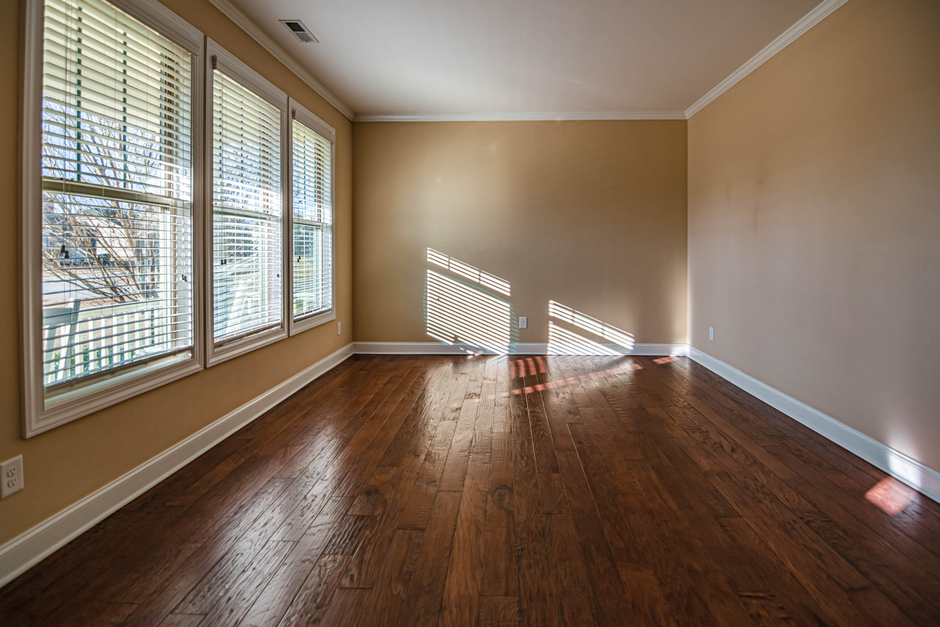
We tend to think of luxury as accumulation. The extra coat, the second car, the drawer full of gadgets we rarely touch. But somewhere along the way, many of us started to notice that the things we owned were quietly owning us back. Every object in a home asks for something: a place to sit, a surface to dust, a decision about whether to keep it or let it go. Multiply that by hundreds of items and you have a low hum of obligation running beneath your entire day.
Owning less is not about deprivation. It is about editing. When you remove the noise, what remains becomes easier to see, use, and love. A single well-made mug you reach for every morning. A coat that fits properly and goes with everything. A bookshelf where every spine is a book you would actually recommend to a friend. This is not austerity for its own sake. It is the deliberate choice to let fewer things carry more meaning.
There is a practical relief that comes with an uncluttered space. You spend less time searching, tidying, and maintaining. But the deeper shift is psychological. When your environment stops shouting for attention, your mind gets quieter too. Decisions become simpler because there are fewer options competing for your energy. You stop asking "where did I put it" and start asking "what do I actually want to do today."
There is also a strange honesty in minimalism. Keeping only what you use and love forces you to confront what you have been holding onto out of guilt, habit, or the vague fear of someday needing it. Letting those things go is not wasteful. Keeping things you never use is the real waste, because they take up space, time, and attention that could go toward something you genuinely value.
The mistake many people make is treating decluttering like a renovation. They buy bins, make spreadsheets, and plan a weekend purge that leaves them exhausted and resentful. A gentler approach works better. Pick one small surface, a nightstand or a single shelf, and clear it completely. Put back only what earns its place. Notice how the space feels. Then stop for the day.
Do this a few times a week and something shifts. You begin to develop a taste for empty space, for the calm of a room that is not asking anything of you. You start to pause before buying, not because you have a rule against it, but because you have learned how good it feels to not bring home another obligation. The quiet luxury of owning less is not a look or an aesthetic. It is the daily experience of living with exactly enough, and discovering that enough was more than you thought.
