Simple Living
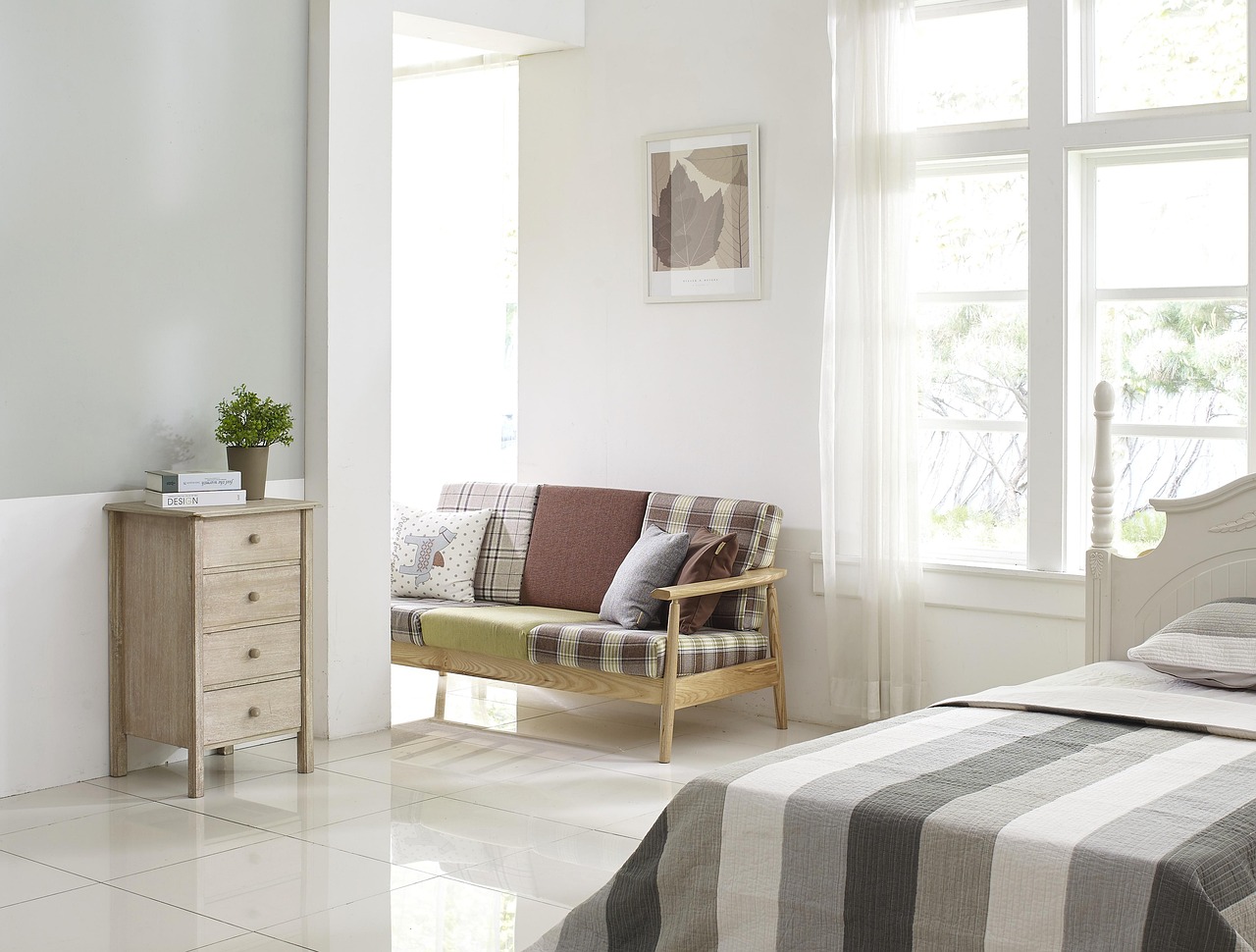
For a long time, I decorated for an audience that never came. Every surface was styled, every shelf curated, every corner arranged for a photograph that no one would take. My home looked good — or at least it looked correct, like the homes in the magazines — but it didn't feel like mine. It felt like a showroom I happened to live in.
The turning point came when a friend visited and, without thinking, put her feet up on my coffee table. I flinched. Not because I cared about the table, but because her ease exposed something I hadn't admitted: my home was too precious to actually live in. Everything was arranged to be looked at, not used. The books on the shelf were color-coordinated, which meant they weren't really there to be read. The throw blanket was folded just so, which meant it wasn't there to keep anyone warm.
There's nothing wrong with caring about how your home looks. Beauty matters, and a space that pleases the eye can be genuinely restorative. The problem is when the aesthetic takes priority over the life it's supposed to serve. When you avoid cooking because it will mess up the kitchen, or hesitate to invite people over because the house isn't "ready," the style has stopped serving you and started governing you.
A home that doesn't perform is one where the design follows the living, not the other way around. It's a home with a chair that's actually comfortable, even if it doesn't match the sofa. It's a kitchen counter that gets used, even if it means crumbs. It's a bookshelf where books are arranged by whatever logic makes them findable, not by spine color. It's a home that looks a little lived-in because it is.
This doesn't mean abandoning care. It means redirecting it. Instead of maintaining a look, you maintain a feeling — warmth, ease, welcome. The goal isn't a home that photographs well; it's a home that holds you. A place where you can exhale. Where guests can relax without worrying about the cushions. Where the wear and tear of daily life is not a failure but evidence of use.
Start small. Pick one thing in your home that you've been treating as decor and start treating it as furniture. Sit on the fancy chair. Use the good towels. Light the candle you've been saving. Let the house be a house. You'll find that the less your home tries to impress, the more it actually comforts — and that the people who matter won't notice the difference between styled and lived-in, except to feel more at ease.
