Slow Living
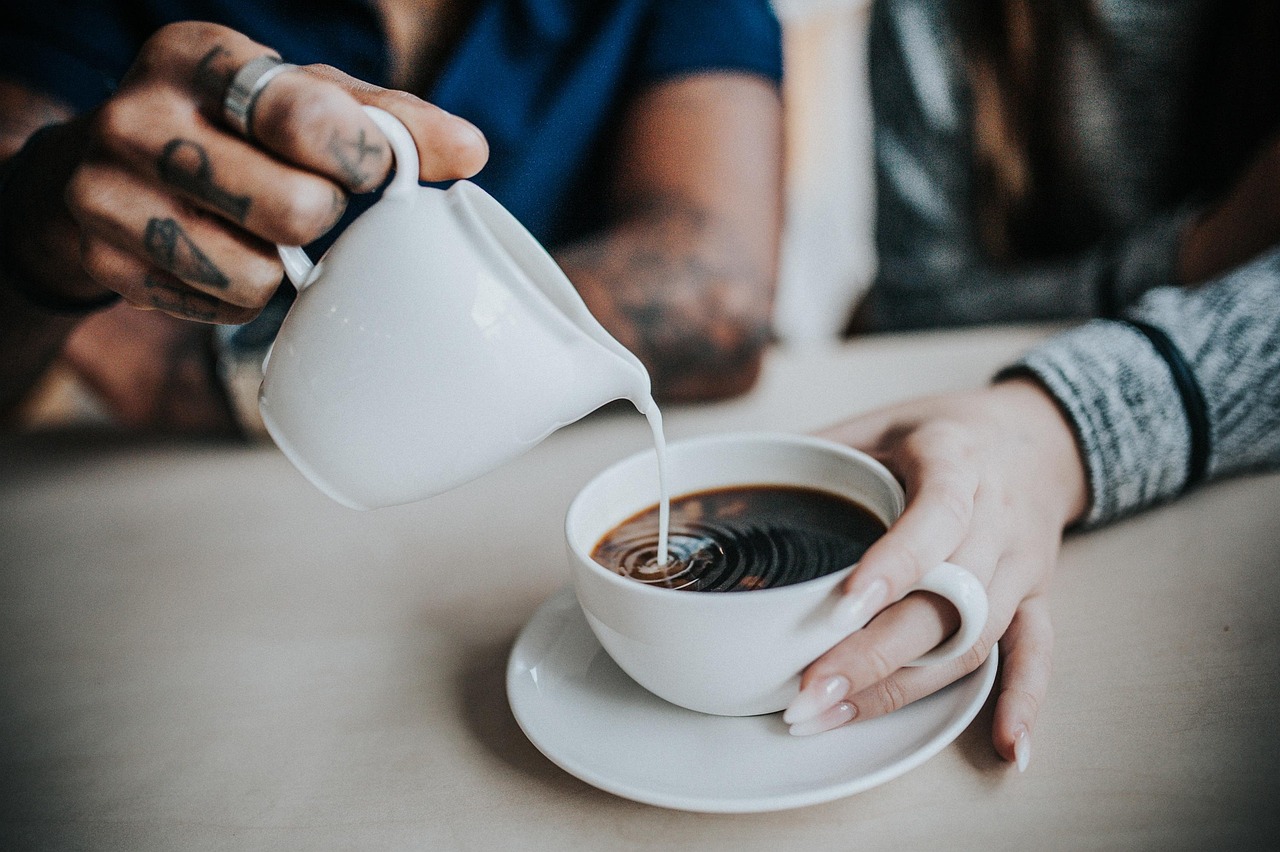
There's a particular dissatisfaction that comes from always looking at the next thing. A new purchase, a new goal, a new version of yourself that's just around the corner. It's not that these things are bad — ambition and curiosity are good — but when every moment is oriented toward what's next, the present becomes a waiting room. You're always almost there, never actually here.
I noticed this most clearly with objects. I'd buy something I'd wanted for months, feel a brief satisfaction, and within days find my attention drifting to the next thing. The pleasure was real but short, and it left behind a faint residue of disappointment — as if the thing itself had promised more than it delivered. It hadn't, of course. The problem was in the wanting, not the having.
Contentment, it turns out, is less about acquiring the right things and more about paying attention to what's already here. This sounds obvious, but it's surprisingly difficult. Our attention is trained outward, toward novelty, toward the next thing. Turning it inward, toward the ordinary and familiar, takes practice.
A simple exercise: choose one object you own and use daily — a mug, a chair, a jacket — and spend a week noticing it. Not admiring it, just noticing. How it feels in your hand. How it's worn with use. Where it came from. What it does for you. Most of us own dozens of objects that serve us faithfully and receive almost no conscious attention. Giving them some is a small act that changes the texture of your relationship with your things.
The same applies to people and routines. The friend you've known for years, the walk you take every morning, the meal you cook on repeat. These are the substance of a life, and yet they're often invisible to us because they don't demand attention. Noticing them is not sentimental — it's a way of actually living in your life rather than waiting for it to start.
This isn't about suppressing desire. Suppression doesn't work, and it often backfires. It's about redirecting desire toward things that can actually satisfy it. A new purchase is a closed loop — once you have the thing, the wanting has nowhere to go but the next thing. But wanting to be present, to be useful, to be kind, to be curious — these are open-ended. They can't be completed, only practiced, and the practice itself is the reward.
There's a quiet freedom in this. When you stop needing the next thing to feel complete, you stop being led around by your own appetites. You get to choose what deserves your wanting. And often, when you look closely, you find that what you already have has been quietly waiting for you to notice it all along.
